
Overview
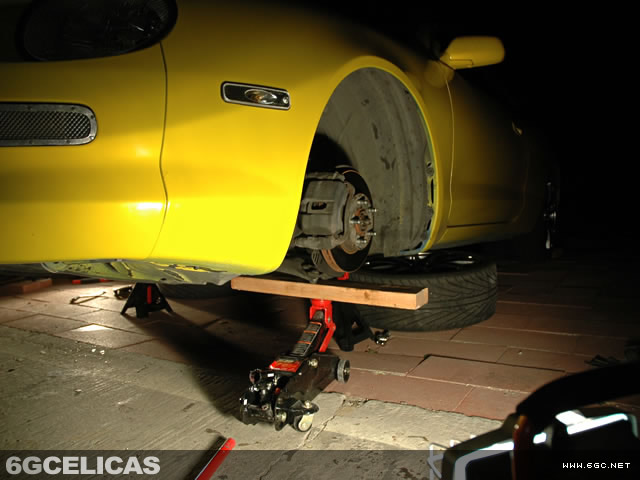
Installing a front sway bar is an excellent suspension upgrade that improves cornering stability and reduces body roll. This guide covers the complete installation process, from removal of the stock sway bar to proper installation and torque specifications for aftermarket units.
🕒 Time Required: 1 hour
💰 Cost: $150-400 (sway bar dependent)
🔧 Tools: Basic hand tools, jack, jack stands
Required Tools & Materials
Essential Tools
- Ratchet and socket set
- 14mm socket
- 12mm socket or wrench
- 14mm wrench
- 5mm allen wrench
Safety Equipment
- Jack and jack stands
- Wheel chocks
- Penetrating lubricant (PB Blaster/WD-40)
- Torque wrench
- Work gloves
⚠️ Safety First
- Secure vehicle properly: Use jack stands, never rely on jack alone
- Use penetrating lubricant: Hardware may be seized from road salt exposure
- Control arm positioning: Jack lower control arm carefully to relieve end link stress
- Torque specifications: Follow proper torque values to prevent failure
Step 1: Vehicle Preparation
First, loosen your front wheel lug nuts while the car is on the ground. Jack up the front end of your car and support it securely with jack stands. You'll be working underneath the vehicle, so ensure it's stable. Remove both front wheels completely to access the sway bar components.
Step 2: End Link Identification and Access
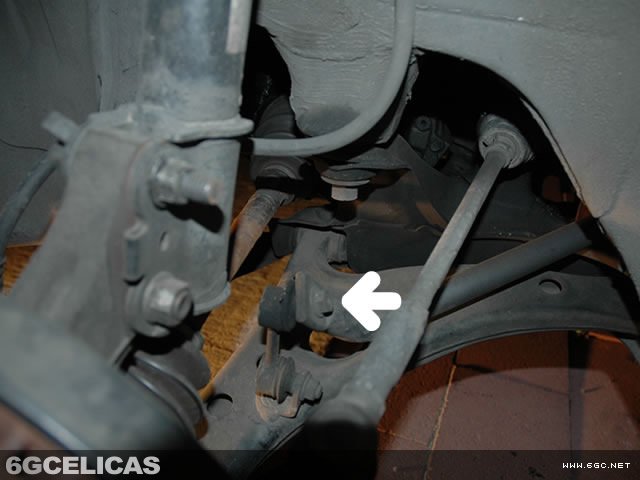
With wheels removed, you can easily access the sway bar end link bolts. The end link is the piece that connects the end of the sway bar to the lower control arm via two bolts. The bolt you want to remove is the upper one that connects directly to the sway bar.
Apply penetrating lubricant (PB Blaster recommended) to the end link nut and bolt, allowing several minutes for penetration before attempting removal.
Step 3: End Link Removal Preparation
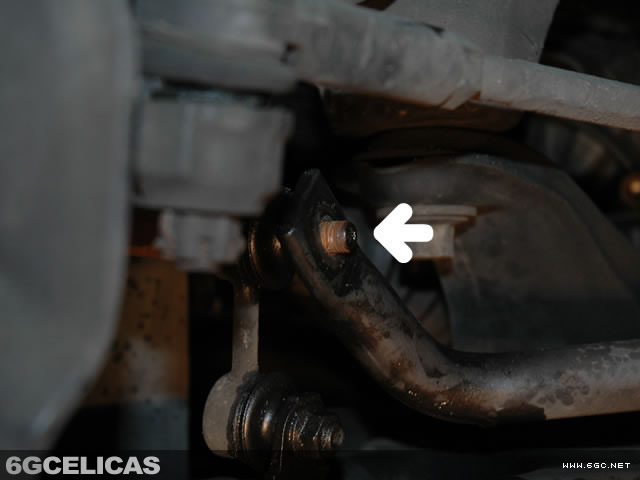
Jack up the lower control arm carefully to position it as close to parallel with the ground as possible. This reduces strain on the end link during removal and makes the bolt more accessible.
Using a 14mm socket and ratchet, begin loosening the upper end link nut. Initially, the bolt may be tight enough that the socket alone will work. However, once loose, both the nut and bolt will likely spin together.
When this happens, use a 5mm allen wrench inserted into the bolt head to hold the bolt stationary while turning the 14mm nut with a wrench. This technique allows complete removal of the connection. Repeat this process on both sides of the vehicle.
Step 4: Sway Bar Bracket Removal
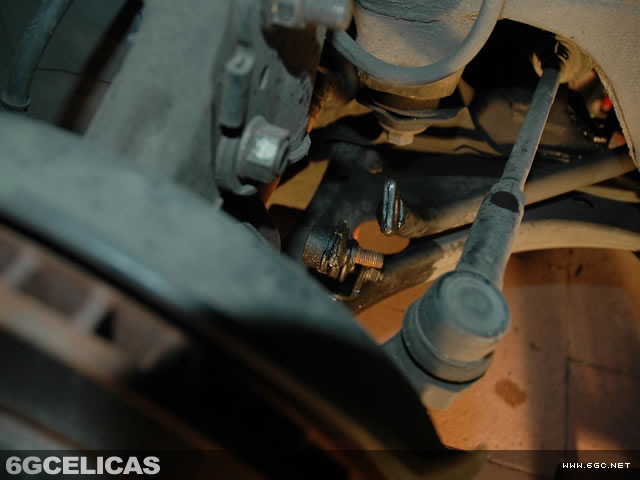
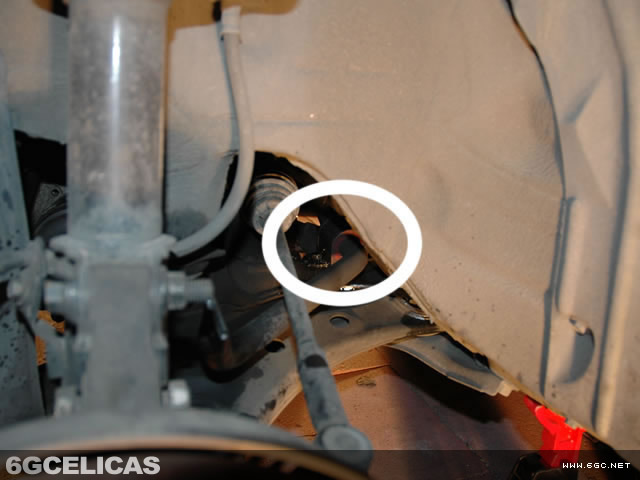
With end links disconnected, the sway bar is held only by two bushings secured by brackets. Each bracket uses two 12mm bolts. Access these bolts from underneath the center of the vehicle - the brackets mount to the front crossmember.
Remove all four 12mm bolts, then remove the brackets and bushings. The sway bar can now be maneuvered out of position. This requires some positioning but comes out without removing additional components.
Step 5: New Sway Bar Installation
Install your new sway bar using the reverse process. Important: Use the brackets and bushings that came with your new sway bar, as sizing may differ from stock components.
Apply liberal amounts of grease or lubricant to the bushings before installation - this prevents squeaking and ensures proper operation. Position the sway bar and get all hardware started before final tightening.
Step 6: Torque Specifications and Final Assembly
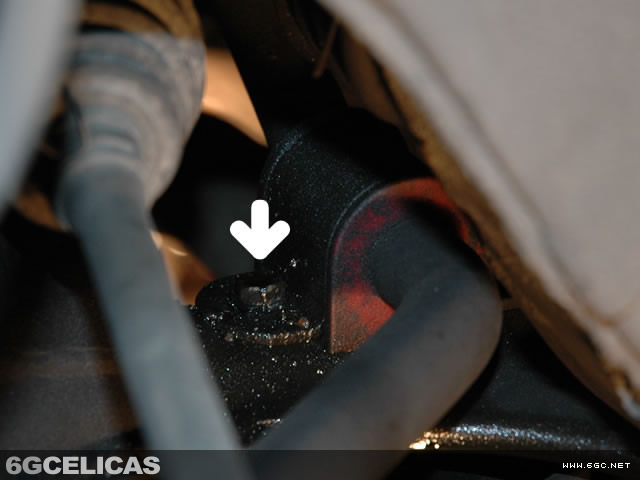
Follow proper torque specifications for reliable installation:
- Bracket bolts (12mm): 13 ft-lbs (18 N⋅m)
- End link nuts (14mm): 26 ft-lbs (35 N⋅m)
Start with the four 12mm bracket bolts, torquing to specification. Then attach and torque the end link connections. You may need to use the allen wrench and 14mm wrench combination initially, then switch to a torque wrench with socket for final tightening.
Reinstall wheels, lower the vehicle, and torque lug nuts to specification. Test drive slowly initially to ensure proper installation and operation.
🎯 Performance Benefits
Handling Improvements
- Reduced body roll in corners
- Improved steering response
- Better cornering stability
- Enhanced overall handling balance
Installation Results
- Direct bolt-on upgrade
- Compatible with stock suspension
- Works with lowering springs/coilovers
- Noticeable improvement immediately
💡 Installation Tips
- Bushing lubrication: Critical for preventing noise and ensuring longevity
- Progressive installation: Get all hardware started before final tightening
- Quality matters: Aftermarket bars like Suspension Techniques offer significant improvement
- Break-in period: Drive conservatively for first few miles to verify installation
- Regular maintenance: Inspect bushings periodically for wear