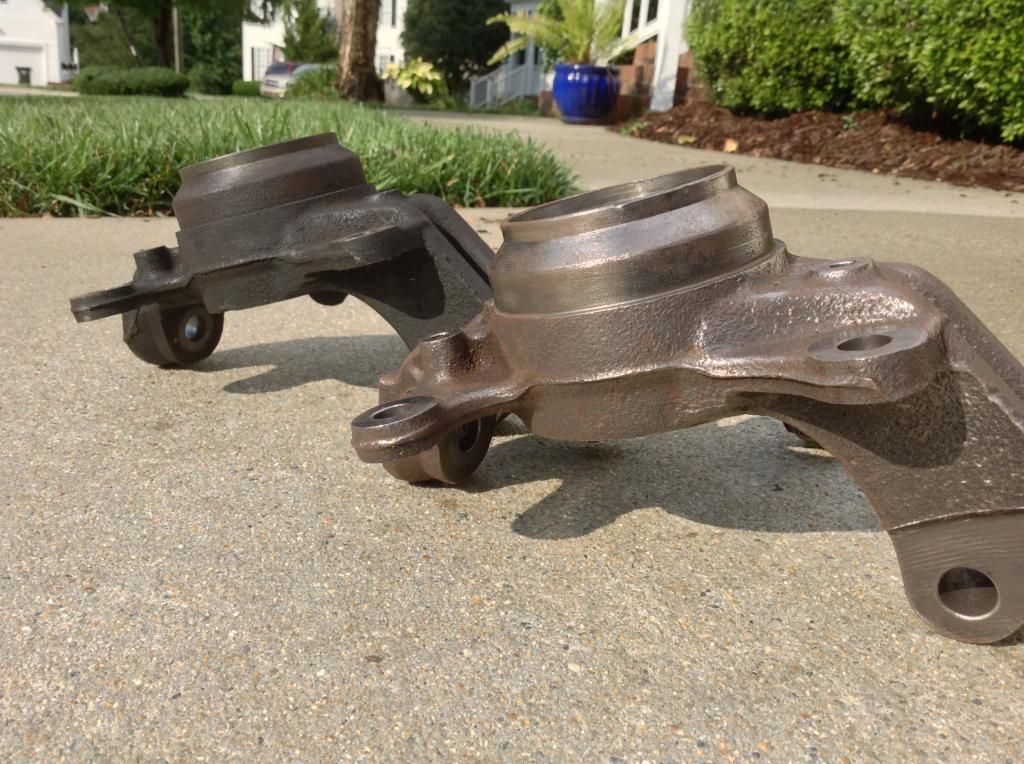
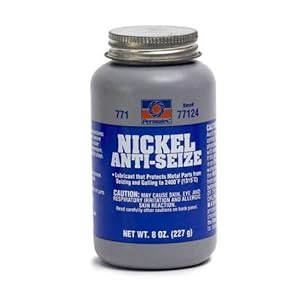
>
QUOTE (Special_Edy @ Jun 20, 2014 - 11:56 PM)

>You dont need antisieze, probably the #1 time its recommended is different alloys of metal threading together, like a steel spark plug into an aluminum head. You can use just about any lubricant other than water as an anti seize. I prefer some used oil from my last oil change.
I understand what you are saying but didn't know what anti-seize actually was, so looked it up. Prior to that I had become confused because I had seen numerous YouTube DIY auto repair videos about how to do this or that, things that required lubrication, and there were times I had noticed something anomalous. At times people would wipe on anti-seize when I was expecting them to be wiping on a "lubricant," or vice-versa. Why I've come across this is because my recent efforts over the past couple of months have focused on brakes and wheel bearings.
So, your recommendation is to use any old lubricant rather than waste (my interpretation) anti-seize -- "use old oil from oil change" -- except where you have fasteners of one metal being in contact with a different metal. Didn't mean to make that sound like criticism or sound negative.
It seems there are a number of ways that metals in contact can wear, even fail, and I don't know all that much about materials science. So, I looked around and came across terms like
fretting,
galling,
seizing, and others that represent ways that metals in contact can result in bad side effects (wear). Then I looked for information on anti-seize compounds. I can't understand all that I found, but perhaps you can make some sense of it if I past it here for you to read:
A) One solution to the issue of
fretting is to use a metal based anti-seize lubricant between the mating parts. Composed of assorted mixtures of aluminum, copper, graphite and nickel powders in a grease base, such lubrication allows repeated assembly and dis-assembly without wear and the elimination of fretting corrosion during use. (Wikipedia)
B) Loctite® brand anti-seize compounds protect metal parts from
rust,
corrosion,
galling, and
seizing. They ease assembly and disassembly of slip-fit, press-fit, and threaded joints and reduce friction and wear on critical operating equipment. Formulated for severe industrial environments, these products protect against high temperatures, heavy loads, chemicals, pounding, and vibrating.
Information from Henkel Corp at
http://www.henkelna.com/lubricants-and-anti-seizes-6140.htmC) LOCTITE® BEARING MOUNT STICK HIGH TEMPERATURE
A revolutionary method to bond non-threaded, cylindrical metal assemblies, this unique wax-like stick works just like Loctite® Bearing Mount liquids to secure parts, seal joints and prevent corrosion. Replaces clamp rings, set screws and snap rings.
Typical Applications: Bushings, bearings, oil seals, ring gear bolts, differential lock pins, axle bearings, water and power steering pump pullies.
Information from the Henkel Corp at
http://www.henkelna.com/us/content_data/18...Mounts_pg17.pdf>
>>>My concerns boil down to just a few:>>>>
If I should want to apply a treatment over bare metal to prevent rust and applied grease (lubricant), wouldn't that collect whatever (dirt, dust, rust, etc.) particles that happened to land on it? Would anti-seize do the same? Would anti-seize be any better at preventing rust?
If I have two bare metal mating surfaces that bolt together, what should I smear onto the surfaces before bolting them together? What if the metals are different?
If I want to torque bolts to spec and am looking to the future date when I might have to take the bold out again, what is the best application to put on the threads so I can get the out easily next time?
When I just yesterday hand-tool pressed a front wheel bearing should I have used anti-seize before pressing it in? How about the oil seals and dust deflector?